

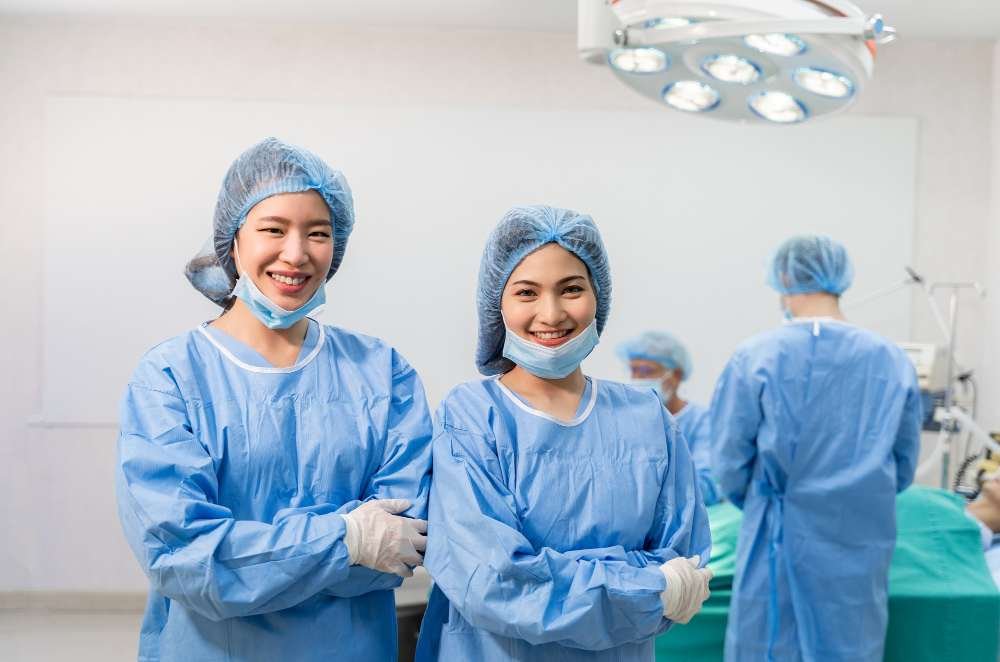

Undergoing laparoscopic surgery initiates a profound, yet often overlooked, biological process: the body’s intricate healing response. While the minimally invasive technique reduces external trauma, the internal repair of tissues, management of inflammation, and restoration of organ function demand significant energy and specific nutrients. A strategic, phased dietary approach is not merely supportive—it is a critical component of your recovery protocol, directly influencing pain levels, complication risks, and the speed of your return to normalcy. From preoperative preparation to long-term healing, what you eat and drink can either hinder or significantly accelerate your journey back to health.
The Science Behind Surgical Nutrition
Surgery, even laparoscopic surgery, places the body in a catabolic state—a condition in which it breaks down tissue to meet heightened energy demands. This is compounded by the metabolic stress of anesthesia and the inflammatory response to surgical intervention. The goals of surgical nutrition are to:
- Minimize catabolism and support protein synthesis for tissue repair.
- Modulate the inflammatory response.
- Support immune function to prevent infection.
- Regulate bowel function, critically important after abdominal procedures.
- Maintain hydration and electrolyte balance.
The Pre-Operative Phase: Setting the Stage for Success
The dietary foundation for a smooth recovery is laid days before surgery. Many centers now implement Enhanced Recovery After Surgery (ERAS) protocols, which include specific nutritional guidance.
- Focus on Protein and Nutrient Density: In the week prior, prioritize lean proteins (chicken, fish, eggs, legumes), colorful fruits and vegetables (for antioxidants and vitamins), and whole grains. This builds nutrient reserves.
- The “Pre-Hab” Mindset: For patients with poor nutritional status, some surgeons may recommend carbohydrate- and protein-rich medical nutrition supplements to improve metabolic reserve.
- Clear Instructions on Fasting: You will receive strict instructions for nil-by-mouth (fasting), typically starting at midnight for solids. Clear fluids (water, clear tea, black coffee) may be allowed up to 2-3 hours before. This is non-negotiable to prevent pulmonary aspiration during anesthesia.
The Immediate Post-Operative Phase (First 24-48 Hours): Awakening the Gut
After surgery, the primary goal is to rehydrate and gently awaken the gastrointestinal tract without overwhelming it.
- Start with Clear Liquids: You will begin with sips of water, moving to clear broths, diluted apple juice, and electrolyte drinks. This helps counteract dehydration from fasting and surgical fluids.
- The “Full Liquid” Progression: Once clear liquids are tolerated, advance to fuller liquids like yogurt (without fruit chunks), smooth soups (strained), milk, and nutritional supplement shakes. These provide more calories and protein.
- Listening to Your Body: Nausea is common. Proceed slowly. The adage is “start low and go slow.” Walking is one of the best ways to stimulate bowel motility and reduce gas pains.
The Recovery Phase (First Week Post-Discharge): Building Back with Fiber and Protein
As you return home, your diet should focus on promoting healing and preventing constipation—a very common side effect due to anesthesia, pain medications (especially opioids), and reduced mobility.
- The Constipation Prevention Trio: Fiber, Fluids, and Movement.
- Fiber: Introduce soluble and insoluble fiber gradually. Excellent sources include oats, peeled apples, bananas, well-cooked vegetables, and whole-grain toast. A sudden high-fiber load can cause bloating and gas.
- Fluids: Aim for 8-10 glasses of water and non-caffeinated fluids daily. Fluids work with fiber to soften stool.
- Movement: Continue gentle, frequent walking.
- Protein as the Building Block: Protein is essential for repairing surgical wounds and rebuilding tissue. Include a palm-sized portion of lean protein with each meal: fish, skinless poultry, eggs, tofu, or lentils.
- Foods to Limit: Temporarily avoid gas-producing foods (cruciferous vegetables like broccoli and cabbage, beans, carbonated drinks) and heavy, greasy, or spicy foods, which can be difficult to digest and may cause discomfort.
The Rehabilitation Phase (Weeks 2-6): Optimizing Long-Term Healing
As your activity increases, so do your nutritional needs for sustained recovery.
- Anti-Inflammatory Focus: Incorporate foods known to help modulate inflammation, such as fatty fish (salmon, mackerel for omega-3s), berries, turmeric, nuts, and olive oil.
- Continued Protein Priority: Maintain adequate protein intake to support ongoing tissue remodeling and regain strength and muscle mass potentially lost during the catabolic phase.
- Return to a Balanced Diet: You should gradually return to your normal, balanced diet. If your surgery was for a condition like obesity (bariatric surgery) or colorectal disease, you will follow a specific, long-term dietary protocol from your surgical team.
Special Considerations
- Bariatric Surgery: Involves a strict, lifelong staged diet from liquids to purees to soft foods, with a permanent focus on high-protein, low-sugar, low-fat choices.
- Colorectal Surgery: May involve a low-residue diet initially to allow the bowel anastomosis (reconnection) to heal, slowly reintroducing fiber over several weeks.
Conclusion: Food as Foundational Medicine
Viewing your post-laparoscopic diet as an integral part of your treatment plan empowers you to actively participate in your own recovery. By providing your body with the specific nutrients it needs at each phase—from hydrating clear liquids to inflammation-fighting proteins—you fuel the remarkable process of healing from within. This conscious nutritional strategy, coordinated with your surgeon’s advice and your body’s signals, minimizes setbacks, enhances comfort, and paves the way for a stronger, more resilient recovery.
Frequently Asked Questions (FAQs)
1. How soon after surgery can I eat solid food?
There is no universal timeline; it depends on your procedure and how your gut “wakes up.” Most patients progress from clear liquids to full liquids to soft, easily digestible solid foods (like scrambled eggs, mashed potatoes, steamed fish) over the first 2-4 days post-op. Your medical team will guide you based on your tolerance, absence of nausea, and return of bowel sounds. Never force solid food if you feel nauseated or overly full.
2. What are the best foods to prevent constipation after surgery?
A three-pronged approach is best:
- High-Fiber Foods (introduced slowly): Pears, prunes, oats, chia seeds (soaked), and well-cooked vegetables like carrots and squash.
- Adequate Hydration: Water, herbal teas, and clear soups.
- Gentle Movement: Regular short walks.
If constipation persists, consult your doctor about a mild stool softener or laxative—do not strain during bowel movements.
3. Are protein shakes or supplements recommended?
Yes, they can be very helpful, especially in the first week when appetite may be low and protein needs are high. A high-quality whey protein isolate or plant-based protein powder mixed with water or milk can ensure you meet your daily protein requirements (typically 1.2-1.5 grams per kilogram of body weight during recovery). Choose products low in added sugar. They are not a permanent meal replacement but a useful supplement during the initial healing phase.
4. What foods or drinks should I absolutely avoid?
For the first 1-2 weeks, it’s wise to limit or avoid:
- Carbonated drinks: Can cause painful gas bloating.
- Alcohol: Interferes with medications, dehydrates, and impairs healing.
- Excessive caffeine: Can be dehydrating.
- Very greasy, fatty, or fried foods: Difficult to digest and may cause nausea.
- Extremely spicy foods: May irritate the digestive system.
5. I have no appetite after surgery. Is this normal, and what should I do?
Yes, this is very common due to anesthesia, medications, and the body’s stress response. Do not force large meals. Focus on:
- Small, frequent “mini-meals” every 2-3 hours.
- Nutrient-dense, easy-to-eat foods like yogurt, soup, eggs, and smoothies.
- Prioritizing protein in each small meal.
- Staying hydrated with water and broths.
Your appetite will usually return within a week. If you cannot keep any food or fluids down, or if lack of appetite persists beyond 10 days, contact your surgical team.