

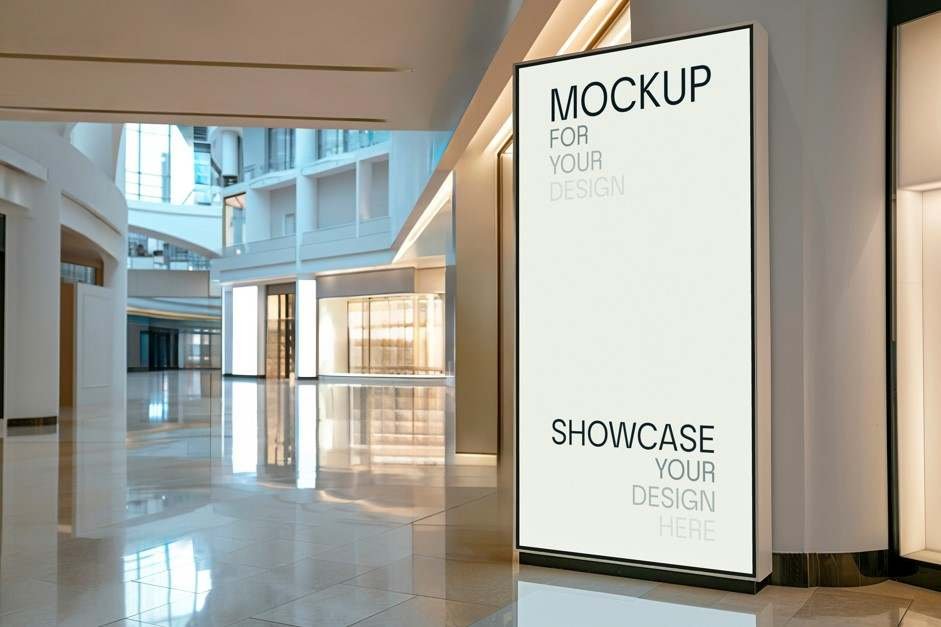

In the competitive landscape of small businesses, capturing customer attention and communicating your value proposition quickly and effectively is paramount. While traditional printed signs and static menus have their place, they are often inflexible, costly to update, and easily ignored. Enter the digital signage display: a dynamic, versatile, and surprisingly affordable tool that is no longer reserved for corporate giants. For the savvy small business owner, it’s a powerful engine for driving engagement, sales, and operational efficiency.
Why Your Small Business Needs Digital Signage
The core advantage of digital signage is its ability to communicate with motion, vibrancy, and relevance. It transforms passive waiting areas into active engagement zones. Here’s a breakdown of the tangible benefits:
1. Captivate and Engage Customers
A static menu board can list items; a digital display can make them irresistible. Imagine showcasing a video of a barista crafting a perfect latte, a sizzling burger in slow motion, or a stunning before-and-after gallery for a salon. Motion and video are proven to grab attention far more effectively than static images, increasing dwell time and making your business more memorable.
2. Enhance the Customer Experience
Digital signage provides real-time information that improves the customer journey. In a restaurant, it can display live wait times or a “now serving” number. In a retail store, it can highlight promotions based on the time of day or current weather (e.g., promoting umbrellas on a rainy day). It can also entertain customers in waiting areas with curated content, news, or social media feeds, reducing the perceived wait time.
3. Unprecedented Agility and Cost Savings
The cost and delay of reprinting menus, posters, or promotional flyers every time a price changes or a new offer arises add up quickly. With digital signage, you can update your content across all your screens in minutes from a single dashboard. Sold out of a special? Remove it instantly. Want to run a flash sale for the next two hours? Schedule it with a few clicks. This agility not only saves money on printing but also allows you to capitalize on real-time opportunities.
4. Boost Sales and Promote High-Margin Items
Strategic content placement can directly influence purchasing decisions. Use your digital screens for “upselling” (suggesting a larger size or a premium add-on) and “cross-selling” (promoting a dessert after a main course). Animated promotions and combo deals are more compelling on a dynamic screen, helping to increase the average transaction value.
5. Reinforce Brand Identity and Professionalism
A well-designed digital display signals that your business is modern, professional, and tech-savvy. It provides a cohesive platform to consistently showcase your logo, brand colours, and brand voice, strengthening your overall market presence and building trust with customers.
How to Set Up Digital Signage: A Simple 5-Step Guide for Small Businesses
Setting up a digital signage system is more straightforward than most people imagine. You don’t need a dedicated IT department; you just need a logical approach.
Step 1: Define Your Goal and Audience
Before purchasing any hardware, ask yourself: “What do I want this screen to achieve?”
- Goal: Increase dessert sales, reduce perceived wait times, explain complex services, promote weekly specials.
- Audience: Are they waiting in a queue? Browsing products? Dining in?
Your answers will determine the screen’s location, size, and the type of content you create.
Step 2: Choose Your Hardware
The physical setup consists of three key components:
- The Display Screen: This is your TV or monitor. For most small businesses, a standard high-definition (HD) or 4K smart TV is perfectly adequate. Consider size (a 42-inch model is a good start for many), brightness (if it’s in a very sunny window, you may need a high-brightness model), and placement (wall mount, stand, or countertop).
- The Media Player: This is the small device that powers your content. Many modern “smart” TVs have built-in signage apps. Still, the most reliable method is to use a dedicated media player like an Amazon Fire TV Stick, Google Chromecast, or a dedicated Android media player. These plug into the TV’s HDMI port and are designed to run your content 24/7.
- The Connection: You’ll need a stable internet connection (Wi-Fi or Ethernet) for the media player to receive content updates from the cloud-based software.
Step 3: Select Your Software Platform
This is the brain of your operation. Digital Signage Software is a cloud-based service that lets you create, manage, and schedule content for display on your screen(s). Look for user-friendly platforms like Yodeck, ScreenCloud, or PosterMyWall. Key features to consider:
- Ease of Use: A drag-and-drop content creator.
- Template Library: Pre-designed templates for menus, promotions, and info graphics.
- App Integrations: Ability to pull in content from Google Slides, social media, or the weather.
- Scheduling: Set different playlists for different times of day or days of the week.
Most offer free trials or very affordable monthly plans for a single screen.
Step 4: Create and Schedule Your Content
This is the creative part. Use the software’s templates or design tools to build your playlists. Content can include:
- Videos and Animations: Short, looping clips of your products or services.
- High-Resolution Images: Photos of your team, your food, or your work.
- Text and Graphics: Promotions, welcome messages, or fun facts.
- Live Data Feeds: Integrate your social media feed or a news ticker.
Create a playlist that rotates through different content every 10-15 seconds to keep it fresh.
Step 5: Install, Launch, and Monitor
Mount your screen in the optimal location, connect the media player, and link it to your software account. Once you hit “publish,” your content will appear on the screen. Monitor its performance—are customers reacting to certain promotions? Use this feedback to tweak and improve your content strategy over time.
Conclusion
For a small business, digital signage is not an extravagant expense but a strategic investment. It replaces ongoing print costs with dynamic communication, elevates the customer experience, and provides a direct lever to increase profitability. By following a simple setup process, any small business owner can harness this technology to stand out from the competition, tell their story more effectively, and drive growth.
Frequently Asked Questions (FAQs)
1. Isn’t digital signage too expensive for a small business?
This is a common misconception. The cost has dropped significantly. You can start with a TV you may already own, a $50 media player like a Fire Stick, and signage software that can cost as little as $10-$20 per month per screen. When you factor in the long-term savings on printed materials and the potential for increased sales, the return on investment (ROI) makes it a very cost-effective solution.
2. I’m not tech-savvy. How difficult is it to manage?
Modern digital signage platforms are designed for non-technical users. They feature intuitive, drag-and-drop interfaces similar to creating a PowerPoint presentation or a social media post. Many providers also offer extensive online tutorials and customer support. The initial setup is a one-time process, and daily management involves simple content updates from a familiar web browser.
3. What kind of content should I display to be effective?
The key is a mix of promotional, informational, and engaging content. A good playlist might include:
- Your core products/menu (with prices).
- A highlighted promotion or “deal of the day.”
- A video showcasing your business in action.
- Positive customer reviews from Google or social media.
- Fun, brand-appropriate content (e.g., a “fact of the day”).
Keep content loops short (5-10 minutes) to avoid repetition for customers who are there longer.
4. Can I use my regular consumer TV for this?
Yes, absolutely. A standard consumer HD or 4K TV is the most common display used in small business digital signage. The only minor consideration is that consumer TVs are not designed to be on 24/7, unlike commercial-grade displays. To extend the life of your TV, use the built-in timer functions to turn it off automatically outside of business hours.
5. Can I control multiple screens with one account?
Yes, this is a major advantage of using cloud-based software. Whether you have two screens in one location or screens in multiple branches, you can control them all from a single, central dashboard. You can send the same content to all screens or target specific content to individual screens, all without needing to be physically present at each location.
Want to learn about Digital signage display for small businesses: Why to use and how to set up? Watch: Digital signage for small businesses: Why to use and how to set up?