

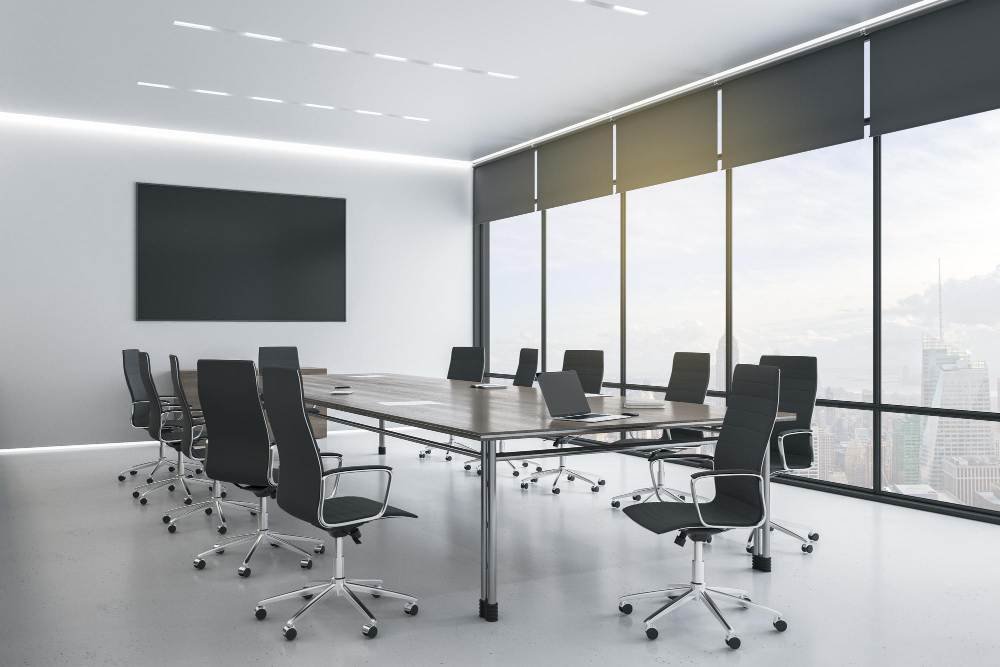

In the dynamic heart of Malaysia’s economy, Kuala Lumpur (KL) thrives on deals, discussions, and collaborations. The city’s skyline, a mosaic of gleaming towers and historic structures, is a testament to its relentless progress. At the core of this business activity is a fundamental need: a professional, well-equipped, and strategically located space to meet. The search for “meeting space Kuala Lumpur for rent” reveals a diverse and competitive market, offering solutions for every conceivable need, from a two-hour client pitch to a week-long international conference. Navigating this landscape effectively is key to enhancing productivity, impressing stakeholders, and optimizing your real estate budget.
The evolution of the modern workplace has transformed the meeting space from a fixed, corporate-owned asset into a flexible, on-demand service. This shift has been largely driven by the rise of remote work, the growth of the gig economy, and the need for global companies to maintain a presence without the overhead of a permanent office. In KL, this translates into a rich ecosystem of venues, each with a unique value proposition, vying for your business.
The Three Pillars of KL’s Meeting Space Market
Understanding the primary types of providers is the first step to making an informed choice.
1. Co-Working Spaces: The Champions of Flexibility
Brands like Common Ground, WORQ, WeWork, and The Co. have established a formidable presence across key commercial hubs such as Bukit Bintang, Bangsar South, and TRX. They are the go-to solution for modern businesses seeking agility and a contemporary vibe.
- Why They Shine: The primary advantage is unparalleled flexibility. Most offer online, on-demand booking by the hour, allowing you to secure a room with just a few clicks. The spaces are designed for productivity, featuring ergonomic furniture, high-speed internet, large monitors for presentations, and whiteboards. Beyond the room itself, users gain access to vibrant common areas, complimentary coffee bars, and networking opportunities.
- Ideal For: Client pitches, team brainstorming sessions, freelance consultations, and small project meetings. They are perfect for businesses that need professional space without long-term commitment.
2. Business Hotels: The Epitome of Polished Service
Prestigious hotels in the Golden Triangle, including the Mandarin Oriental, Grand Hyatt, and The Majestic Hotel, offer more than just luxury accommodation. They house expertly designed meeting rooms and boardrooms that exude professionalism.
- Why They Shine: The key differentiator is impeccable, white-glove service and a built-in reputation for excellence. Hotel meeting rooms often come as part of a package that includes gourmet refreshments, catering, and dedicated support staff. The ambiance is one of refined sophistication, making a powerful, unspoken statement to clients and partners.
- Ideal For: High-stakes negotiations, formal board meetings, corporate announcements, and any gathering where seamless service and a premium impression are non-negotiable.
3. Serviced Offices: The Corporate Standard
Providers like The Executive Centre, IWG (Regus & Spaces), and Compass Offices cater to a more traditional corporate clientele, with locations in prime Grade A office towers.
- Why They Shine: These spaces offer a high-end, corporate atmosphere that mirrors a traditional company headquarters. The meeting rooms are typically sophisticated, well-soundproofed, and equipped with the latest technology. They provide a sense of stability, prestige, and privacy that is ideal for established businesses and professional services firms like lawyers and financiers.
- Ideal For: Legal consultations, financial reviews, executive committee meetings, and any gathering where a formal, discreet, and corporate environment is required.
The Gold Standard: Kuala Lumpur Convention Centre (KLCC)
While often associated with massive exhibitions, the Kuala Lumpur Convention Centre (KLCC) is also a premier destination for high-level meetings. Its meeting rooms offer a unique combination of world-class infrastructure and an iconic address. Hosting a meeting in the shadow of the Petronas Twin Towers carries immense prestige. The centre provides state-of-the-art technology, impeccable service, and the convenience of being integrated with a luxury hotel and shopping mall. For a meeting that must convey ultimate success and global stature, KLCC is a powerful choice.
Key Considerations for Your Rental Decision
Selecting the right space is a strategic decision. Before you book, consider these factors:
- Location & Accessibility: “Convenience” is defined by your attendees. Prioritize locations with easy access to major highways, public transit (especially the MRT and LRT), and affordable parking. Central hubs like KLCC, Bukit Bintang, and KL Sentral are universally accessible.
- Capacity and Layout: A room that is too small feels cramped, while one that is too large can feel hollow. Match the room to your attendee count and desired layout—be it boardroom, classroom, or U-shape. Ensure there is comfortable space for everyone.
- Technology and Amenities: Create a checklist of your must-haves. This almost always includes reliable, high-speed WiFi. Also, confirm the availability and compatibility of presentation screens, video conferencing systems, and telephony. Don’t forget to ask about included amenities like water, coffee, and writing materials.
- Budget and Value: Understand the full cost. Is the rate hourly, half-day, or full-day? Are there hidden charges for AV equipment or overtime? Compare the all-inclusive cost of a hotel package against the à la carte pricing of a co-working space to determine the best value for your specific event.
Conclusion
The search for a meeting room in Kuala Lumpur is a journey through a market designed to empower business. From the agile, modern hubs of co-working spaces to the timeless prestige of five-star hotels and the corporate solidity of serviced offices, the city offers a perfect fit for every purpose and brand image. By carefully considering your meeting’s objective, your guests’ experience, and your budgetary constraints, you can transform a simple online search into a strategic business decision. In the bustling heart of KL, the right meeting space is not just a venue; it is a catalyst for your next success.
Frequently Asked Questions (FAQs)
1. What is the average cost of renting a meeting room in Kuala Lumpur for 4 hours?
Costs vary significantly. In a co-working space, you can expect to pay between RM 200 to RM 500 for a four-hour block. In a premium hotel or serviced office in a prime location like KLCC, the price can range from RM 500 to RM 1,200 or more for the same duration, often inclusive of basic refreshments.
2. Can I book a meeting room for just one hour?
Yes, absolutely. Co-working spaces are specifically designed for this, offering hourly rentals, sometimes with a one-hour minimum. This is their core business model. Hotels and serviced offices typically require a half-day or full-day booking, though some may offer hourly rates for smaller boardrooms.
3. What technology can I expect to be included?
At a minimum, a professional meeting room should include a high-definition monitor or projector with HDMI connectivity, a stable and high-speed Wi-Fi connection, and a whiteboard or flip chart. Most quality venues now also offer integrated video conferencing systems, though these may be a premium add-on. Always confirm the specifics before booking.
4. How far in advance should I book?
For a standard meeting, booking 3 to 5 business days in advance is usually sufficient. However, for popular times (e.g., Tuesday-Thursday mornings) or premium venues, it is advisable to book 1 to 2 weeks ahead. For last-minute needs, co-working spaces with real-time online booking platforms are your most reliable option.
5. What is the main difference between a co-working space and a serviced office meeting room?
The main difference is atmosphere and formality. A co-working space meeting room is often located within a vibrant, collaborative, and modern environment, suitable for dynamic discussions. A serviced office meeting room is typically in a quieter, more corporate and traditional setting, designed for formal meetings, confidentiality, and a established business image.